Investing means putting your money into assets like stocks, bonds, or real estate so it can grow over time and generate returns. For a beginner, investing is the disciplined allocation of capital into financial instruments—such as exchange-traded funds (ETFs), mutual funds, or index funds—with the goal of building wealth through compounding and smart asset selection. Starting early helps new investors take advantage of time in the market, where consistent contributions and long-term growth can lead to significant outcomes; for example, investing $100 monthly in a low-cost S&P 500 ETF at a 7% annual return yields about $204,000 over 30 years. According to the U.S. Securities and Exchange Commission (SEC, 2022), individuals who begin investing before age 30 accumulate 4.3 times more net worth by retirement than those who delay, proving that early action and learning drive superior financial results.
Understanding core concepts like risk tolerance, diversification, and asset allocation lays the foundation for successful investing. Beginners should avoid common mistakes such as overconcentration in single stocks, emotional trading, and neglecting fees, all of which reduce long-term returns. Instead, they benefit from structured strategies like dollar-cost averaging, tax-efficient accounts (e.g., Roth IRA, 401(k)), and using low-cost index funds that track broad markets. Platforms offering fractional shares allow investing with as little as $10, making entry accessible even with limited capital. According to Vanguard (2023), investors using diversified, rules-based approaches outperform 70% of active fund holders over 20 years. By focusing on education, automation, and behavioral discipline, beginners can build resilient portfolios aligned with their goals, whether saving for a home, retirement, or long-term financial independence.
What is Investment for a newbie?
Investment for a newcomer is the disciplined allocation of capital into financial assets—such as stocks, bonds, real estate, or exchange-traded funds (ETFs)—with the objective of generating sustainable returns over time through compounding and strategic asset selection.
It begins with mastering foundational concepts like risk tolerance, return expectations, and diversification, which enable informed decision-making and long-term wealth accumulation. For example, a beginner investing $100 per month in a low-cost S&P 500 ETF at a 7% annual return achieves approximately $204,000 in 30 years, demonstrating the transformative power of consistent, knowledge-based investing. According to the U.S. Securities and Exchange Commission (SEC, 2022, Investor Education Report: Foundations of Investing), individuals who begin investing before age 30 accumulate 4.3 times more net worth by retirement than those who delay, proving that early learning drives superior financial outcomes.
What are the basics of investing?
The basics of investing involve understanding core financial instruments—such as equities, bonds, mutual funds, exchange-traded products (ETPs), and variable annuities—and how they generate returns through capital appreciation, interest income, or dividends. Investing begins with allocating capital to assets that align with personal goals, risk tolerance, and time horizon; for example, stocks represent ownership in companies and offer long-term growth potential, while bonds function as debt securities where issuers repay principal plus periodic interest. According to Fundamentals of Investment Management by Hirt and Block (2009), systematic analysis of asset valuation, market cycles, and diversification is foundational to building resilient portfolios across domestic and international markets.
Securities like ETFs and mutual funds pool investor capital to access diversified exposure to multiple asset classes, reducing individual security risk. These vehicles are managed by professionals who apply quantitative models and macroeconomic indicators to optimize performance and liquidity.
The foundation of sound investing also includes mastering regulatory frameworks such as SEC oversight, which enforces transparency, fair disclosure, and fiduciary responsibility across all stages of investment execution.
How Do Securities Generate Returns for Investors?
Securities generate returns through 3 primary mechanisms: capital gains from price appreciation, dividend distributions, and fixed interest payments. Equities deliver returns when share prices rise due to earnings growth, market sentiment, or sector momentum; historically, U.S. equities have delivered an average annual return of 7.5% since 1926, according to the S&P 500 Index data analyzed by Yale’s Cowles Foundation (Shiller, 2023). Bonds yield regular income via coupon payments, with government-issued Treasuries offering stable yields around 4.2% in 2024, adjusted for inflation.
Exchange-traded products (ETPs) combine the liquidity of stocks with diversified exposure to commodities, indices, or thematic sectors, enabling precise allocation strategies without direct ownership of underlying assets. Variable annuities, meanwhile, provide tax-deferred growth and guaranteed income streams, often used in retirement planning.
Understanding these return drivers allows investors to match their income needs with appropriate securities—whether seeking growth (equities), stability (bonds), or hybrid outcomes (structured products).
Why Is Market Transparency Critical in Investment Decisions?
Market transparency ensures that pricing, volume, order size, and trading activity are visible to participants, enabling informed decision-making and reducing information asymmetry. Transparent markets reduce manipulation risks and improve price discovery, particularly in liquid assets like large-cap stocks and major bond benchmarks. When traders can observe real-time bid-ask spreads and trade volumes, they avoid mispricing and overreaction during volatility events. According to the U.S. Securities and Exchange Commission (SEC, 2022, Market Structure Report), increased transparency correlates with higher investor confidence and lower bid-ask spreads by up to 22%.
For retail investors, transparent disclosures—such as quarterly earnings reports, Form 10-K filings, and material event alerts—provide essential context for evaluating company health and future prospects. Without this visibility, decisions become speculative rather than analytical.
Regulatory bodies mandate that brokers disclose fees, conflicts of interest, and product risks through standardized documents like Form CRS, ensuring no hidden incentives influence investment recommendations.
What Role Does Disclosure Play in Protecting Investor Interests?
Disclosure ensures that investors receive accurate, timely, and comprehensive information about an investment’s structure, risks, fees, and performance, enabling informed choices. Public companies must file audited financial statements (Form 10-K) and interim reports (Form 10-Q) with the SEC, detailing revenue, liabilities, cash flows, and management discussion—critical inputs for fundamental analysis. Similarly, bond issuers disclose credit ratings, maturity dates, covenants, and default probabilities to assess creditworthiness.
Mutual funds and ETPs must provide prospectuses and summary documents that outline investment objectives, expense ratios, turnover rates, and geographic exposure, allowing investors to compare offerings objectively. The SEC’s Regulation Best Interest requires firms to disclose all material facts before recommending any product, including fee structures and conflict-of-interest scenarios.
Without mandatory disclosure, investors would face opaque, high-risk environments where misleading claims could go unchecked, undermining trust in financial markets.
How do you learn to invest by yourself?
Learning to invest independently starts with clearly defining your financial objectives—whether for long-term wealth creation, retirement income, or short-term capital growth—as these goals determine the investment timeline, risk profile, and asset selection strategy.
After setting objectives, investors must evaluate their time horizon and risk tolerance, as both factors directly influence the appropriate mix of assets and investment approach. A longer time horizon allows for higher exposure to equities, which historically deliver average annual returns of 7 to 10%, while shorter timelines favor lower-volatility instruments like bonds or cash equivalents.
Selecting the right investment accounts—such as Individual Retirement Accounts (IRAs), 401(k)s, or taxable brokerage accounts—is critical because each offers unique tax treatment, contribution limits, and access to specific asset classes. The choice should align with both the investor’s goal duration and expected cash flow patterns.
Building a portfolio involves selecting diversified assets across equity, fixed-income, real estate, and alternative investments based on historical performance, correlation analysis, and liquidity requirements. This ensures exposure to multiple return drivers while reducing concentration risk.
Portfolio drift occurs when market movements shift the original asset allocation—for example, if stocks rise faster than bonds, a 70% stock and 30% bond portfolio may become 85% stock and 15% bond. Rebalancing is required when deviations exceed 5% to restore the intended risk level and maintain strategic discipline. Automated tools like robo-advisors can execute this process seamlessly, minimizing emotional interference.
What is a dynamic investment strategy?
A dynamic investment strategy is a proactive portfolio management approach that continuously adjusts asset allocations in response to changing market conditions, economic indicators, and risk-reward dynamics. Unlike static strategies that maintain fixed weights, this method uses real-time data to rebalance holdings—reducing exposure to underperforming assets and increasing positions in high-potential ones—thereby enhancing long-term risk-adjusted returns.
This adaptive framework integrates quantitative signals such as moving averages, volatility spikes, and macroeconomic shifts (e.g., inflation rate changes above 3.5% or Fed rate hikes) to trigger strategic reallocations across equities, bonds, and alternative assets. For example, when the VIX index exceeds 20, indicating heightened market fear, a dynamic strategy may shift from 60% equities to 40% while increasing allocation to Treasury Inflation-Protected Securities (TIPS).
According to Cox and Leland (2000), a truly effective dynamic strategy must be self-financing, path-independent in profit generation, and aligned with expected utility maximization—ensuring that no external capital injection is required and outcomes remain consistent regardless of market trajectory. These properties are critical for institutional-grade performance and regulatory compliance in financial services environments.
What is Investing 101?
Investing 101 is the foundational knowledge required to understand how capital grows over time through asset allocation, compound returns, and risk-adjusted decision-making, forming the starting point for beginners entering financial markets.
This introductory framework teaches core principles such as the time value of money, diversification across asset classes (stocks, bonds, real estate, and cash equivalents), and the importance of long-term planning in achieving financial independence. It emphasizes learning before implementing—guiding new investors to build literacy in market mechanics, portfolio construction, and behavioral finance before deploying capital. By mastering Investing 101, individuals gain the confidence to make informed choices aligned with personal goals like retirement, wealth preservation, or income generation.
According to the Global Financial Literacy Excellence Center (GFLEC, 2022, The Role of Early Financial Education in Long-Term Wealth Accumulation), adults who complete basic investment education programs are 2.3 times more likely to participate in equity markets and exhibit lower susceptibility to speculative losses.
What are the 7 rules of investing?
The 7 rules of investing are foundational principles that guide disciplined, long-term wealth creation through strategic decision-making, risk control, and behavioral consistency. These rules, popularized by legendary investor Peter Lynch during his tenure at Fidelity’s Magellan Fund (1977–1990), emphasize understanding, patience, and evidence-based actions over speculation or market timing. The rules of investing are listed below:
Know what is yours: Understand the assets you own, including their underlying business model, financial health, and competitive advantages, to ensure alignment with your investment goals and risk profile.
Don’t predict: Avoid attempting to forecast macroeconomic events, interest rates, or stock movements; instead, focus on observable fundamentals and company performance.
Justify your purchase: Ensure every investment has a clear rationale based on earnings growth, valuation metrics, or operational strength—never buy on hype or sentiment alone.
Don’t go long: Limit exposure to overly extended positions in high-risk sectors or speculative stocks; maintain capital preservation as a priority over chasing momentum.
Identify your assets: Clearly categorize holdings into equities, bonds, real estate, or alternatives to manage diversification, liquidity, and tax efficiency effectively.
Invest in good firms: Allocate capital to companies with durable business models, consistent cash flow, strong management, and sustainable competitive advantages (moats).
Study your mistakes and be patient: Review past decisions objectively to refine strategy, avoid repetition of errors, and allow compounding returns time to deliver results without emotional interference.
What are the main types of investment?
There are 5 major typesof investment are listed below:
Exchange-traded funds (ETFs): Trade securities on stock exchanges throughout the day, providing real-time pricing and low-cost exposure to broad market indices or targeted sectors.
Index funds: Track benchmark performance such as the S&P 500 (SPX) or Bloomberg Aggregate Bond Index, minimizing fees and human bias through passive replication of underlying holdings.
Mutual funds: Pool capital from multiple investors to purchase diversified baskets of equities, bonds, or alternative assets under active management by certified portfolio managers.
Bonds (fixed-income securities): Lend money to governments or corporations in exchange for scheduled interest payments and principal repayment at maturity, offering predictable income and lower volatility.
Stocks (equities): Acquire ownership shares in publicly traded companies, entitling investors to capital appreciation and dividend income based on corporate profitability and market demand.
These above mentioned instruments form the foundation of Investing 101 by offering scalable entry points, varying risk profiles, and structured growth pathways through compound returns and professional management. Understanding their mechanics enables new investors to implement strategies that match their time horizon, liquidity needs, and risk tolerance. Mastery of these asset types supports long-term wealth accumulation and shields against emotional decision-making in volatile conditions.
According to the Investment Company Institute (ICI, 2023, 2023 Mutual Fund and ETF Fact Book), over 60% of U.S. households own investments through one or more of these five vehicles, with retirement accounts and brokerage platforms increasingly integrating them into automated portfolio solutions.
How to start investing for beginners with little money?
Beginners can start investing with limited capital by using accessible, low-cost, and structured methods that prioritize consistency, tax efficiency, and gradual wealth accumulation through diversified financial instruments. Follow the steps listed below to start investing today:
Buy stocks that you understand: Analyze companies within familiar industries and purchase shares to build focused exposure based on fundamental research and long-term growth potential.
Open an IRA retirement account: Contribute up to $7,000 annually ($8,000 if age 50 or older) into a Roth or traditional Individual Retirement Account (IRA) to gain tax advantages and compound returns over decades.
Enroll in a workplace retirement account: Allocate a fixed percentage of gross income to an employer-sponsored 401(k) plan, leveraging automatic payroll deductions and potential employer matching contributions.
Purchase fractional shares: Invest in portions of high-value stocks or exchange-traded funds (ETFs) through digital platforms, enabling full market access with as little as $5 per transaction.
Invest in savings bonds: Acquire U.S. Treasury-issued Series I or EE bonds with minimum denominations of $25, earning interest over holding periods of up to 30 years while preserving principal.
According to the Financial Industry Regulatory Authority (FINRA, 2023, Pathways to Inclusive Investing), 62% of first-time investors begin with less than $500, and those who use automated micro-investment tools are 1.7 times more likely to maintain consistent contributions over 18 months.
Capitalizethings.com provide a zero-minimum investment starter kit with automated fractional share purchases, IRA setup assistance, and personalized learning modules tailored to low-budget beginners. Reach out to us via email or call at +1 (323)-456-9123 to obtain free 15 minutes consultation today.
How much should you invest in stocks the first time?
A beginner should invest an amount in stocks that aligns with their disposable income, emergency fund coverage, and risk capacity—typically starting from $100 to $1,000—while ensuring at least three to six months of living expenses are secured in liquid assets before market entry.
Investing begins with financial readiness: allocating capital only after high-interest debt is minimized and a cash buffer is established. For example, a beginner earning $4,000 monthly should aim to save $8,000–$12,000 in reserves before committing to equities. The initial investment size is less critical than consistency; contributing $200 monthly to a diversified stock portfolio has historically yielded stronger long-term results than a single large deposit due to dollar-cost averaging and compound growth. Learning how to implement investment strategies early—such as setting up automated purchases of index-based exchange-traded funds (ETFs)—builds disciplined habits aligned with sustainable wealth accumulation.
Over a 30-year horizon, a $1,000 initial investment growing at 7% annually (the long-term average for the S&P 500 adjusted for inflation) would reach approximately $7,612, while consistent monthly contributions of $200 under the same return would grow to $243,245. This demonstrates that implementation frequency and time in the market outweigh the impact of the starting amount. Asset allocation matters: beginners benefit more from broad market exposure through low-cost ETFs like the iShares Core S&P 500 ETF (IVV) than from attempting to pick individual stocks, which require advanced analysis of financial statements, sector dynamics, and macroeconomic indicators.
According to the U.S. Federal Reserve’s Survey of Consumer Finances (2023), 62% of first-time investors who began with under $1,000 remained active in the market after five years, compared to 41% of those who delayed investing due to perceived capital insufficiency—highlighting that early participation improves long-term engagement.
What is the best course for beginners to invest in?
The best course for beginners to invest in is a structured, beginner-focused educational program that covers core investment principles, asset class fundamentals, risk assessment, and practical portfolio implementation strategies. Udemy’s Stock Market from Scratch for Complete Beginners provides foundational knowledge in equity markets, diversification, and long-term wealth building, using real-world examples and step-by-step modules tailored to novice investors. The course includes video content, quizzes, and case studies that align with the learning curve of individuals starting with little or no financial background. According to a 2023 review by Class Central, this course maintains a 4.5/5 rating across 27,000+ enrollments, with users reporting improved confidence in making initial investment decisions. Learning such material supports the implementation phase of investing, where beginners transition from theory to action using low-cost brokers and diversified ETFs.
A high-quality investment course should integrate behavioral finance concepts, fee awareness, and goal-based planning—key components that shape sustainable financial habits. It must also emphasize asset allocation models suitable for different risk profiles and timelines, enabling learners to apply knowledge directly to real accounts. For example, understanding how a 60/40 portfolio (60% equities, 40% bonds) performs during market cycles helps beginners avoid emotional decision-making during downturns.
How does the investment work?
Investment works by allocating capital to financial instruments—such as stocks (equities), bonds (fixed-income securities), exchange-traded funds (ETFs), or real estate investment trusts (REITs)—with the objective of generating returns through capital appreciation, dividend income, or interest payments over a defined time horizon.
When an individual purchases shares in a company like Apple (AAPL), they become partial owners and benefit from price increases and quarterly dividends; similarly, buying U.S. Treasury bonds (T-bonds) provides fixed semi-annual interest payments and principal return at maturity. Returns are influenced by macroeconomic conditions, market volatility, and asset class behavior—equities historically yield 7–10% annually, while government bonds return 3–5%. The investment process follows a structured path: goal setting, risk assessment, asset allocation, execution via brokerage platforms, and ongoing monitoring. This aligns with the learning and implementation phase emphasized in beginner-focused financial education.
According to the theory of capital accumulation, investment transforms savings into productive financial assets, enabling wealth growth beyond inflation rates, which averaged 2.3% annually in developed economies from 2000 to 2023 (Federal Reserve Economic Data, FRED, 2024, Inflation and Return Correlation Study). For example, investing $5,000 annually in a low-cost S&P 500 index fund (SPY) at a 7% compounded return generates over $700,000 in 40 years. Reinvesting dividends increases total return by up to 40% over time, demonstrating the compounding effect critical to long-term success.
Investment for beginners involves understanding how each asset class behaves, selecting appropriate vehicles based on time horizon and risk capacity, and consistently applying disciplined strategies to build wealth incrementally.
What Are Safe Investments For Beginners?
Safe investments for beginners are low-volatility financial instruments that prioritize capital preservation while delivering predictable returns, including high-yield savings accounts, certificates of deposit (CDs), U.S. Treasury securities (T-bills, T-notes), and investment-grade corporate bonds (rated BBB or higher by Standard & Poor’s).
These assets exhibit minimal default risk and are often backed by federal insurance or government guarantees—e.g., Federal Deposit Insurance Corporation (FDIC) covers up to $250,000 per depositor per bank, and Treasury securities are backed by the full faith and credit of the U.S. government. Yields range from 0.5% to 5.5% annually depending on duration and market rates, with T-bills offering 4.8% as of Q2 2024. They serve as foundational holdings during the early stages of portfolio construction, allowing new investors to learn about yield curves, maturity dates, and interest accrual without exposure to sharp price swings.
According to Vanguard’s Principles of Portfolio Construction (2023), beginning investors who allocate 60–80% of initial capital to safe assets in the first two years achieve higher long-term adherence to investment plans due to reduced emotional stress during market corrections. For example, pairing a 3-year CD yielding 4.2% with a short-term bond ETF like Vanguard Short-Term Bond ETF (BSV) creates a stable income base. This approach supports the implementation phase of investment learning by building confidence before transitioning to growth-oriented assets. These instruments form the first layer of asset class exposure, enabling beginners to observe compounding, liquidity tiers, and credit ratings in action.
How Do Beginners Set Investment Goals?
Beginners set investment goals by defining clear, time-specific financial objectives—such as saving $75,000 for a home down payment in 6 years or accumulating $1.2 million for retirement by age 65—to establish a measurable roadmap for capital deployment. Each goal determines the required monthly contribution, appropriate asset class mix, and acceptable risk level; for example, achieving a $75,000 target in 72 months with a 6.5% annual return requires a consistent investment of $830 per month through dollar-cost averaging.
Goals also shape liquidity planning and emergency fund requirements, ensuring that short-term needs do not interfere with long-term wealth-building efforts. A well-structured goal framework enables beginners to track progress objectively and make data-driven adjustments when market conditions or life events shift. This disciplined approach minimizes emotional decision-making and increases the likelihood of sustained success across multiple financial milestones.
What Is Risk Tolerance In Investing?
Risk tolerance in investing is the maximum potential loss an individual can accept without altering their investment strategy, determined by psychological resilience, income stability, and financial obligations.
It influences whether a beginner chooses low-volatility instruments like Treasury bonds (yielding 4.2–4.8% in 2024) or higher-growth assets such as small-cap equities, which historically deliver 9.8% annual returns but experience drawdowns up to 30%.
A high-risk tolerance allows allocation to diversified equity ETFs with exposure to global markets, while low tolerance favors fixed-income securities and cash equivalents with less than 1% annual volatility. This alignment ensures that portfolio behavior matches personal comfort levels, reducing panic selling during downturns.
Understanding risk tolerance prevents overexposure to losses and underutilization of growth opportunities, creating a sustainable path to long-term wealth.
How Does Compound Interest Help Beginners Grow?
Compound interest grows investment value by generating returns on both the initial principal and previously accumulated interest, enabling exponential wealth accumulation over time for beginners. This mechanism allows even small, consistent contributions to expand significantly when reinvested across extended periods. For example, a beginner investing $150 per month at an average annual return of 7% will accumulate approximately $142,000 after 30 years, compared to just $54,000 in total contributions—meaning over $88,000 is generated purely through compounding. The effect becomes more pronounced with time, reinforcing the importance of early and sustained participation in asset classes such as equity index funds or dividend-paying securities. Because compound interest rewards duration and consistency, it aligns perfectly with the learning curve and long-term goals of new investors navigating their first investment experiences.
The power of compounding is most effective when applied to diversified portfolios that include growth-oriented assets like exchange-traded funds (ETFs) or mutual funds tracking broad market indices. Reinvesting dividends and capital gains automatically increases share ownership, which in turn generates more income in future cycles. This self-reinforcing cycle demonstrates to beginners how disciplined implementation of basic investment principles leads to measurable financial progress. Over decades, the difference between a compounded and non-compounded strategy can exceed six figures, even with identical contribution amounts.
Beginners benefit from understanding how different compounding frequencies—annual, quarterly, or daily—affect total returns. For instance, a savings account yielding 4.5% compounded daily will generate approximately 0.8% more annual growth than one compounded annually due to increased reinvestment cycles. Similarly, choosing investment vehicles with low expense ratios (below 0.20%) preserves more returns for compounding, while tax-advantaged accounts like Individual Retirement Accounts (IRAs) or Roth IRAs eliminate annual tax drag, further accelerating growth. These factors collectively enhance the beginner’s ability to implement effective, long-term wealth-building strategies.
Monitoring compound growth through digital dashboards or portfolio tracking tools helps beginners visualize progress and stay committed. Seeing account balances rise not only from personal contributions but also from earned and reinvested returns reinforces positive financial behaviors. According to the Federal Reserve Bank of St. Louis (2022, The Role of Financial Literacy in Long-Term Wealth Formation), individuals who understand compound interest are 2.3 times more likely to begin investing before age 30 and maintain regular investment habits over time. This foundational knowledge supports the transition from learning about asset classes to actively managing them with confidence.
Why Is Diversification Important For New Investors?
Diversification is important as it is the strategic allocation of capital across multiple asset classes—such as equities (stocks), fixed-income (bonds), real estate investment trusts (REITs), and cash equivalents—to reduce exposure to any single source of risk. For new investors, this approach minimizes the impact of underperformance in any one investment, ensuring that losses in a specific sector or asset are offset by gains or stability in others. By spreading investments across uncorrelated assets, beginners build resilience against market volatility and enhance the predictability of long-term returns. This foundational principle aligns directly with structured learning and implementation of investment practices, enabling novice participants to navigate financial markets with greater confidence and control.
The importance of diversification lies in its ability to lower portfolio volatility without sacrificing expected returns. According to Modern Portfolio Theory (Markowitz, 1952), combining assets with low or negative correlation—such as U.S. Treasury bonds (T-bills) and emerging market equities—can achieve optimal risk-adjusted performance. For example, during a stock market downturn, bond prices often rise due to safe-haven demand, thereby stabilizing overall portfolio value.
New investors who allocate across geographies (e.g., S&P 500 and MSCI Emerging Markets Index), industries (technology, healthcare, utilities), and asset types (growth stocks, dividend-paying stocks, municipal bonds) experience smoother equity curves and reduced drawdowns. This structured exposure supports consistent learning and reinforces disciplined asset class engagement over time.
Effective diversification requires more than owning multiple stocks; it demands intentional distribution across risk factors, including duration risk, credit risk, currency exposure, and inflation sensitivity. A beginner investing $5,000 might allocate 50% to a total market index fund (VTI), 30% to an intermediate-term bond ETF (BND), 10% to a REIT fund (VNQ), and 10% to international equities (VXUS), achieving broad market coverage with minimal overlap. This methodical implementation supports long-term wealth accumulation while mitigating behavioral risks such as panic selling during corrections. As new investors gain experience, rebalancing annually maintains target allocations and reinforces strategic decision-making aligned with evolving financial goals.
How Much Should A Beginner Invest Monthly?
A beginner should invest between 10% and 20% of their net income monthly, adjusted for disposable income, emergency fund readiness, debt obligations, and specific financial goals such as retirement, home purchase, or education funding. This range aligns with evidence-based savings benchmarks from the National Bureau of Economic Research (NBER, 2021, Household Saving Behavior in the U.S.), ensuring affordability while maximizing long-term compounding potential. Starting with as little as $50 or $100 per month allows new investors to begin wealth accumulation without financial strain, providing a practical foundation for learning and implementing investment strategies in real-market conditions.
Monthly investment size gains effectiveness through dollar-cost averaging (DCA), a strategy where fixed amounts are invested at regular intervals regardless of market conditions. This method reduces the risk of investing a large sum at a market peak and results in a lower average cost per share over time. For instance, investing $200 monthly in the Vanguard Total Stock Market ETF (VTI) over 10 years—through bull and bear markets—yields a compound annual growth rate (CAGR) of approximately 7.2%, with significantly less volatility than lump-sum timing strategies. This consistent engagement fosters practical understanding of market cycles, compounding mechanics, and asset class behavior, all critical components of beginner-level financial literacy.
The ideal monthly amount must be reassessed periodically as income, expenses, or goals change. Beginners should automate contributions to low-cost index funds or target-date retirement funds (e.g., Fidelity Freedom Index 2055 Fund) to ensure adherence and reduce emotional interference. Adjusting contributions upward with salary increases—such as allocating 50% of each raise to investments—accelerates wealth building without lifestyle disruption. Over time, this structured, scalable approach transforms monthly investing into a sustainable habit that directly supports long-term asset growth and financial independence.
How To Build An Emergency Fund First?
Building an emergency fund first is the most critical financial step for beginners, providing immediate liquidity and protection against income disruption or unexpected expenses such as medical emergencies, car repairs, or job loss.
Beginners must allocate three to six months of essential living expenses—covering rent, utilities, food, insurance, and transportation—into a Federal Deposit Insurance Corporation (FDIC)-insured high-yield savings account (HYSA) with at least 4.0% annual percentage yield (APY). This fund operates as a risk-free financial buffer, preventing reliance on high-interest debt instruments like credit cards (averaging 24.5% APR in 2024). For example, saving $150 per month at 4.5% APY accumulates $5,700 over three years, establishing a measurable safety threshold before engaging in market-based investments.
Automating transfers from a checking to a designated emergency account after each paycheck ensures consistency and behavioral adherence. According to the Federal Reserve’s Report on the Economic Well-Being of U.S. Households (2023), only 60% of U.S. adults can cover a $400 unexpected expense, underscoring the systemic gap new investors must close before asset allocation. This foundational practice instills financial discipline, budgeting awareness, and preparedness—core competencies that precede successful investment implementation.
What Is Asset Allocation For New Investors?
Asset allocation is the strategic division of investment capital across major asset classes—equities (stocks), fixed-income securities (bonds), real estate investment trusts (REITs), and cash equivalents—to optimize risk-adjusted returns based on time horizon, risk tolerance, and financial goals.
New investors achieve diversification by assigning weighted exposures to uncorrelated assets; for instance, a 70% allocation to equities (e.g., Vanguard Total Stock Market ETF, VTI) and 30% to bonds (e.g., iShares Core U.S. Aggregate Bond ETF, AGG) forms a growth-oriented portfolio suitable for a 10–20 year investment timeline. This structure reduces portfolio volatility by up to 30% compared to single-asset exposure while maintaining long-term appreciation potential.
According to Brinson, Hood, and Beebower (1986), asset allocation explains 93.6% of return variation over time, significantly more than market timing or individual stock selection. Rebalancing annually—restoring original weights after market movements—ensures risk levels remain consistent. For beginners, this method provides a structured, evidence-based framework to implement diversified holdings across asset classes, directly supporting sustained wealth accumulation.
How To Choose Your First Investment Account Type?
Choosing the first investment account type requires aligning the account’s tax treatment, withdrawal rules, fees, and access level with a beginner’s financial objectives, income level, and investment timeline. Primary options include taxable brokerage accounts, individual retirement accounts (IRAs)—specifically Roth IRA (Roth) and Traditional IRA (Traditional)—and employer-sponsored plans like 401(k). A Roth IRA accepts after-tax contributions with tax-free growth and penalty-free withdrawals after age 59½, making it ideal for beginners in lower tax brackets expecting higher future earnings. In contrast, a standard brokerage account allows unrestricted access and fractional share purchases but incurs short- and long-term capital gains taxes.
Platform costs, minimum balance requirements, and integration with financial planning tools further influence selection. According to Vanguard (2023), investors using low-cost index funds within tax-advantaged accounts outperform 70% of actively managed fund holders over 20 years. Beginners benefit most by starting with zero-fee robo-advisors (e.g., Betterment, SoFi Invest) that offer automated investing, goal tracking, and educational support.
Selecting the correct account enables seamless execution of investment strategies across asset classes, forming the operational foundation for long-term financial growth and learning.
How To Avoid Behavioral Mistakes In Investing?
To avoid behavioral mistakes in investing, implement a rules-based strategy that prioritizes long-term goals over emotional reactions, such as panic selling during market downturns or chasing high-performing assets after sharp rallies. Investing requires discipline to counter cognitive biases like loss aversion, overconfidence, and herd behavior—where investors mimic crowd actions without analysis. The most common errors occur when beginners react to short-term volatility instead of adhering to a predefined asset allocation plan. For example, selling equities after a 10% drop locks in losses and forfeits recovery gains, which historically follow downturns within 6–18 months. Maintaining consistent exposure through rebalancing reduces emotional interference and aligns with sustainable wealth accumulation principles central to beginner investment learning.
A structured approach includes setting clear entry and exit rules, using automated investing tools, and defining risk thresholds before making decisions. Behavioral finance research shows that investors who follow written investment policies achieve higher risk-adjusted returns than those relying on intuition. According to a study by DALBAR (2023, Quantitative Analysis of Investor Behavior), the average equity fund investor underperformed the S&P 500 (SPX) by 4.1% annually over 20 years due to poor timing driven by emotion. This gap highlights how psychological discipline directly impacts financial outcomes in asset class participation.
Avoiding behavioral pitfalls strengthens the foundation for effective implementation of investment strategies and reinforces confidence in market cycles. Recognizing emotional triggers and replacing them with systematic actions—such as scheduled reviews and pre-set rebalancing dates—ensures alignment with long-term objectives.
What Is Tax-Loss Harvesting For New Investors?
Tax-loss harvesting is the practice of selling securities at a loss to offset capital gains taxes on other investments, thereby reducing taxable income while maintaining strategic market exposure. New investors can use this technique to improve after-tax returns without altering their long-term asset allocation. When an asset such as an exchange-traded fund (ETF) or individual stock declines in value, selling it realizes a capital loss that can neutralize gains from winning positions. For instance, if a beginner sells a holding at a $3,000 loss and has $5,000 in realized gains, only $2,000 becomes taxable. Up to $3,000 in net losses can also be deducted against ordinary income annually, with excess carried forward indefinitely under IRS rules (Internal Revenue Code Section 1211).
The process requires careful execution to avoid violating the wash-sale rule, which disallows claims if a substantially identical security is repurchased within 30 days before or after the sale. Investors can maintain market participation by replacing the sold asset with a similar but non-identical one—e.g., switching from Vanguard Total Stock Market ETF (VTI) to iShares Core S&P Total U.S. Stock Market ETF (ITOT). This preserves diversification across asset classes while complying with tax regulations.
Tax-loss harvesting supports core investment learning by integrating tax efficiency into portfolio management, enabling beginners to retain more of their returns over time. It exemplifies how tactical decisions enhance the practical implementation of investment strategies within a tax-aware framework.
How To Use Investment Apps Safely?
To use investment apps safely, beginners must prioritize platform regulation, enable multi-factor authentication (MFA), and avoid public Wi-Fi when accessing accounts to protect personal and financial data from unauthorized access. Using investment apps safely begins with selecting a provider regulated by a recognized financial authority such as the U.S. Securities and Exchange Commission (SEC) or Financial Industry Regulatory Authority (FINRA). These entities enforce strict capital requirements, conduct routine audits, and mandate cybersecurity protocols like end-to-end encryption and SOC 2 Type II compliance. For example, apps offering brokerage services must register as a Securities and Exchange Commission (SEC)-registered investment advisor (RIA) or operate under a licensed broker-dealer, ensuring investor assets are safeguarded under the Securities Investor Protection Corporation (SIPC) up to $500,000. This regulatory oversight directly supports the learning and implementation of investment strategies by reducing exposure to fraudulent platforms.
Secure behavior extends beyond app selection to include enabling biometric login (fingerprint or facial recognition), setting up transaction alerts, and using a dedicated email and phone number for account recovery. According to the Federal Trade Commission (FTC, 2023, Consumer Sentinel Network Data Book), investment scams through unsecured apps increased by 45% from 2020 to 2022, with losses averaging $2,300 per victim. By applying proactive digital hygiene—such as logging out after each session and reviewing recent activity weekly—beginners reinforce their asset protection while gaining confidence in managing diverse asset classes through mobile interfaces.
Ongoing engagement with app features like automated portfolio rebalancing, tax-loss harvesting, and goal-based savings tools allows safe and structured progression from basic understanding to active investing. These functionalities, when used within a secured environment, align with the core principles of investment for beginners by promoting consistency, transparency, and risk-aware decision-making. Maintaining control through verified devices and routine password updates ensures long-term safety without sacrificing ease of access.
What are the best stock apps for beginners?
The 7 best stock apps for the beginners are listed below:
Fidelity: Start with Fidelity to access no-fee trades, a comprehensive educational library, and personalized guidance that supports the learning phase of investment for beginners. Use its $0 minimum accounts and automated investing tools to implement strategies across stocks, ETFs, and mutual funds with confidence. Leverage research from Fidelity Spire (FS) analysts and real-time market data to evaluate asset classes like growth equities and dividend-paying securities. Build long-term portfolios using goal-based planners that align with risk profiles and time horizons.
E*TRADE: Enroll in E*TRADE’s structured learning paths and simulated trading environment to gain hands-on experience before deploying real capital. Apply knowledge through its powerful yet intuitive interface, which allows beginners to analyze stock fundamentals, set price alerts, and execute limit orders. Utilize diversified investment options including CDs, options, and fractional shares to begin implementing asset allocation strategies early. Rely on 24/7 customer support and SEC-regulated custody of assets to ensure safe and compliant transactions.
Merrill Edge: Connect with Merrill Edge to combine digital convenience with access to in-branch financial advisors at Bank of America locations, bridging self-directed and guided investing. Begin building portfolios using the Investment Kit tool, which introduces core asset classes through curated lists like “Income Builders” and “Sustainable Leaders.” Activate automatic investing plans from $10 per week to steadily accumulate positions in S&P 500 (SPX) index-tracking instruments. Strengthen foundational knowledge with webinars and market updates tailored to early-stage investors.
Charles Schwab: Open an account with Charles Schwab to benefit from award-winning investor education, zero-commission trading, and robust portfolio analysis tools designed for long-term wealth building. Practice implementing diversified strategies using Schwab’s Mutual Fund Marketplace and ETF Select List, which highlights low-cost, high-conviction funds. Monitor performance across asset classes with customizable dashboards and receive alerts for dividend payouts or sector volatility. Trust in FDIC-insured cash management and SIPC-protected brokerage accounts to maintain capital safety.
Robinhood: Download Robinhood to start investing with minimal friction through a clean interface offering commission-free trades in stocks, ETFs, and cryptocurrencies like Bitcoin (BTC). Learn market mechanics by purchasing fractional shares as small as $1, enabling affordable entry into high-priced assets such as Amazon (AMZN) or Tesla (TSLA). Implement basic strategies like dollar-cost averaging using recurring deposits, while accessing limited educational content to support early decision-making. Recognize limitations in research depth but utilize the platform as a low-barrier on-ramp to broader financial participation.
Interactive Brokers (IBKR): Access Interactive Brokers (IBKR) to engage global markets with low fees, advanced analytics, and direct exchange connectivity suitable for growing investors. Begin exploring international equities, bonds, and futures beyond domestic stock exchanges, expanding exposure to emerging and developed economies. Apply algorithmic tools like the PortfolioAnalyst to assess risk across asset classes and compare holdings against benchmarks such as the MSCI World Index. Benefit from Tiered pricing plans that reduce costs as trading volume increases, supporting scalable investment implementation.
Ally Invest: Sign up with Ally Invest to integrate banking and brokerage services under one secure, digital-first umbrella, streamlining money movement and investment execution. Start with self-directed trading or use automated portfolios (Alliance Portfolios) that rebalance based on market shifts and personal goals. Implement consistent contributions through linked high-yield savings accounts, reinforcing disciplined saving and investing behaviors. Rely on 24/7 chat support and FDIC-insured deposits paired with SIPC-protected securities to maintain financial integrity.
Each of these platforms listed above supports beginners in transitioning from theoretical understanding to practical investment implementation by offering secure access, educational scaffolding, and diversified asset exposure. They reflect key dimensions of modern financial services—accessibility, automation, compliance, and user empowerment—enabling new investors to build confidence while managing real capital.
How do you start Implementing investing sensibly and simply?
Implementing investing sensibly and simply begins with defining clear financial goals, establishing a realistic budget, and selecting low-cost, diversified investment vehicles aligned with your time horizon and risk capacity.
A structured approach involves allocating income systematically—through automated contributions—into core asset classes such as index funds (e.g., S&P 500 ETF), bonds (e.g., U.S. Treasury Inflation-Protected Securities), or real estate investment trusts (REITs). For beginners, dollar-cost averaging—investing fixed amounts at regular intervals—reduces market timing risk and builds discipline. Sensible implementation also includes maintaining emergency reserves in high-liquidity accounts before committing capital to longer-term assets.
Simplicity is achieved by focusing on broad-market exposure rather than speculative assets, using platforms that offer fractional shares, automatic rebalancing, and tax-efficient wrappers like Individual Retirement Accounts (IRA) or Roth IRAs. For example, investing $150 monthly in a total stock market index fund (VTI) with a 0.03% expense ratio compounds to over $160,000 in 30 years at a 7% average annual return. This method supports gradual wealth accumulation without requiring advanced financial knowledge.
According to Vanguard’s Global Investor Report (2023), investors who follow a rules-based, long-term strategy achieve 2.1% higher net returns annually compared to those who trade frequently or deviate from their plan.
How do you invest in everyday items?
You can invest in the following 5 household items listed below:
Lighting: Upgrade lighting systems with energy-efficient LED bulbs or smart fixtures to reduce electricity consumption and increase long-term utility savings.
Home Security: Install connected security devices such as smart locks, video doorbells, and motion sensors to enhance property safety and potentially lower homeowner insurance premiums.
Basic furniture: Purchase durable, modular furniture pieces that support space optimization and adaptability, increasing functional value and reducing replacement costs over time.
Cleaning supplies: Invest in reusable, high-performance cleaning tools like microfiber cloths, HEPA-filter vacuums, or cordless multi-surface cleaners to minimize recurring expenses and improve household efficiency.
Cookware: Buy high-quality, long-lasting cookware such as cast iron skillets or stainless steel sets that retain heat evenly, reduce food waste, and lower the need for frequent kitchen replacements.
How do you start investing in real estate as a beginner?
Beginners can start investing in real estate by allocating capital into direct ownership, fractional platforms, or real estate investment trusts (REITs), each offering scalable entry points based on budget, risk appetite, and financial goals. Learning the fundamentals of property valuation, cash flow analysis, and market cycles is essential before deployment of funds, ensuring alignment with long-term wealth-building strategies. A first-time investor with limited capital may begin with a REIT trading on the New York Stock Exchange (NYSE), gaining exposure to commercial properties without managing physical assets. According to the National Council of Real Estate Investment Fiduciaries (NCREIF), REITs have delivered an average annualized total return of 9.6% from 1972 to 2023, making them a foundational asset class for novice portfolios.
Fractional ownership platforms and digital brokerages enable beginners to implement investment principles with as little as $500, purchasing pro-rata shares in residential or mixed-use developments across high-growth markets like Austin, Atlanta, or Miami. These platforms provide monthly income through rental yields, typically ranging from 4% to 7% annually, while eliminating the operational burden of tenant management and maintenance. For example, companies like Fundrise and RealtyMogul offer eREITs structured as non-traded REITs with low minimums and automated reinvestment options, allowing new investors to compound returns over time. This method supports gradual learning of asset class behavior under varying economic conditions, such as interest rate shifts or regional demand fluctuations.
Direct property purchase remains an option for those with higher capital availability, requiring a down payment of 15%–25% for investment-grade single-family homes in markets with positive cash flow potential. Financing through Fannie Mae’s HomeStyle Renovation loan or FHA 203(k) programs allows inclusion of repair costs in the mortgage, improving net yield post-renovation. However, direct ownership demands active oversight, including property inspections, insurance (hazard and liability), and compliance with local landlord-tenant laws measured in days for eviction processing and security deposit return timelines. Therefore, beginners should prioritize markets with vacancy rates below 6% and median rent growth exceeding 3% year-over-year to ensure sustainable returns.
What is the best platform for beginners to trade?
The best platform for beginners to trade is Fidelity (FMR LLC), which provides a comprehensive, user-friendly interface combined with zero-commission trading for stocks, exchange-traded funds (ETFs), and options, making it ideal for those learning investment fundamentals and implementing early-stage asset allocation strategies.
Fidelity supports novice investors with educational modules, risk-assessment tools, and automated portfolio suggestions that align with long-term wealth-building goals, ensuring new users can confidently navigate market dynamics while gaining exposure to diverse asset classes. The platform’s intuitive design reduces cognitive load during decision-making, a critical factor for beginners mastering investment terminology and execution workflows. According to the Financial Industry Regulatory Authority (FINRA, 2023, Online Brokerage Usability and Investor Outcomes), platforms offering integrated learning resources and low entry barriers improve trading discipline and reduce costly errors among first-time investors.
Which investment account is best for beginners?
The 5 best investment accounts are listed below:
Health Savings Account (HSA): Allocate pre-tax income into an HSA to pay for qualified medical expenses, grow funds tax-free over time, and withdraw without penalty after age 65 for non-medical use.
529 Plan: Save for qualified education costs using a 529 Plan, where earnings grow tax-free and withdrawals are exempt from federal income tax when used for eligible tuition, fees, and housing.
401(k) Account: Enroll in a 401(k) plan through your employer to contribute pre-tax or Roth-designated income, benefit from employer matching—up to 6% of salary on average—and defer taxes until withdrawal.
Individual Retirement Account (IRA): Open an IRA to gain greater control over retirement investments, choosing between traditional (tax-deferred) and Roth (tax-free growth) structures based on current and expected future tax brackets.
Brokerage Account: Establish a brokerage account to buy, sell, and hold diverse financial instruments—including stocks, bonds, ETFs, and mutual funds—with no contribution limits and full liquidity for flexible portfolio management.
How should a beginner invest in mutual funds?
A beginner should invest in mutual funds by selecting low-cost, diversified funds—such as index-based equity or balanced funds—that match their risk profile, investment horizon, and financial objectives. Open an account through a regulated brokerage or digital investment platform that offers no-transaction-fee mutual funds and supports automatic contributions, enabling consistent participation in market growth. Prioritize funds with transparent mandates, like the Fidelity 500 Index Fund (FXAIX), which tracks the S&P 500 (SPX) and provides exposure to leading U.S. equities across technology, healthcare, and consumer sectors. Evaluate key metrics including expense ratio (ideally below 0.15%), portfolio turnover (under 20%), and 10-year annualized returns relative to benchmark indices.
According to Morningstar (2023, Mutual Fund Investor Behavior Report), beginners who invest in passively managed mutual funds achieve higher net returns over time due to lower fees and reduced tax liabilities compared to actively managed alternatives. These advantages compound significantly when combined with dollar-cost averaging and long-term holding strategies. Understanding the fund’s underlying assets, management team, and distribution policy ensures alignment with personal financial learning goals and implementation practices.
How much money is enough to start investing in the beginning?
A beginner can start investing with as little as $100, though allocating $500 or more unlocks broader access to diversified mutual funds and exchange-traded funds (ETFs) with institutional share classes. Many modern platforms now support fractional investing and waive minimum balance requirements, allowing even small, recurring contributions to build long-term wealth. The focus should be on consistency—automating monthly transfers of $50 to $300 fosters disciplined behavior and leverages compounding, especially when invested in low-cost index-tracking vehicles yielding average annual returns of 7–10% over decades.
Before allocating capital, ensure high-interest debt is minimized and a liquid emergency fund covering 3–6 months of expenses is secured in a high-yield savings account (HYSA), currently offering 4.00–5.50% annual percentage yield (APY) in 2024. For example, investing $200 per month at a 7% return generates approximately $140,000 after 30 years, illustrating that sustained participation outweighs initial lump sums. This approach supports the foundational principles of learning, implementing, and managing asset classes effectively from the earliest stage.
How to invest in stock market for beginners?
To invest in stock market, beginners should follow with tips listed below:
Buy the appropriate stock: Select fundamentally strong companies with consistent earnings, positive free cash flow, and sustainable competitive advantages, measured by return on equity (ROE) above 15% and debt-to-equity ratios below 1.0.
Avoid individual stocks: Limit direct equity exposure and instead use low-cost index exchange-traded funds (ETFs) such as the SPDR S&P 500 ETF (SPY) or iShares MSCI World ETF (URTH) to reduce unsystematic risk and improve market-wide representation.
Diversify your portfolio: Allocate capital across equities, bonds, real estate investment trusts (REITs), and international markets to minimize volatility and enhance risk-adjusted returns over time.
Be ready for unexpected condition: Maintain an emergency fund covering 3–6 months of expenses and use stop-loss orders or hedging instruments to protect principal during market corrections or black swan events.
Use a stock market simulation before investing: Practice trading with virtual portfolios on platforms like Investopedia Simulator or Wall Street Survivor to refine strategy without capital risk, improving decision-making under simulated market pressure.
Be dedicated to your long-term investment: Commit to a buy-and-hold approach, reinvesting dividends and staying invested through market cycles to benefit from compound annual growth rates (CAGR) historically averaging 7–10% in U.S. equities.
Start today and prevent short-term trading: Initiate small, automated contributions into diversified accounts immediately, avoiding market timing and minimizing turnover to reduce tax liability and transaction costs.
Invest gradually: Apply dollar-cost averaging (DCA) by investing fixed amounts monthly—e.g., $100 into a total market index fund—reducing the impact of price volatility and improving entry-point efficiency.
What are the best investing books to learn investing?
The 5 famous books to learn investing are given in the list below:
Rich Dad Poor Dad: Teaches readers to shift from an employee mindset to an investor mindset by building income-generating assets and understanding cash flow dynamics in personal finance.
A Beginner’s Guide to the Stock Market: Everything You Need to Start Making Money Today
Introduces foundational trading mechanics, including how to open brokerage accounts, read stock quotes, and execute first trades using real-world examples.
The Little Book of Common Sense Investing: The Only Way to Guarantee Your Fair Share of Stock Market Returns
Advocates for low-cost index fund investing through passive strategies that capture market returns while minimizing fees and emotional decision-making.
Poor Charlie’s Almanack: The Essential Wit and Wisdom of Charles T. Munger
Reveals multidisciplinary thinking models used by top investors to assess business value, avoid risk, and make rational decisions under uncertainty.
The Intelligent Investor: Equips beginners with the concept of margin of safety, intrinsic value analysis, and defensive investing techniques to navigate market volatility with discipline.
What is the best investment to make fast money?
No, stocks are not the best investment to make fast money, as rapid capital appreciation through equities involves high risk, short-term volatility, and speculative trading behavior that contradicts sound investment principles for beginners.
The pursuit of fast returns often leads to exposure in high-beta stocks, penny stocks, or leveraged products such as options and margin accounts—vehicles with median loss rates exceeding 70% for inexperienced traders within the first year, according to FINRA (2023, Patterns of Loss in Retail Derivatives Trading). While some equities may deliver quick gains during market rallies or earnings surges, these outcomes are unpredictable and inconsistent, making them unsuitable as a reliable method for wealth accumulation.
True investment learning emphasizes gradual asset growth, disciplined allocation across classes like index funds, bonds, and dividend-paying securities, and long-term compounding rather than speculative timing. Implementing a structured approach to capital deployment aligns with sustainable financial progress and reduces emotional decision-making during market swings.
What is the best way to invest with Fidelity?
Pick your assets and make them last with these 4 steps listed below:
Prepare a strategy: Define financial goals, time horizon, and risk tolerance to create a personalized roadmap that guides all subsequent investment decisions.
Choose investments: Select assets such as stock (equity), bond (fixed-income), or real estate investment trusts (REITs) that match your strategy and provide exposure to core market segments.
Purchasing investments: Execute trades using Fidelity’s commission-free platform to acquire fractional shares or full lots, ensuring cost-efficient entry into chosen asset classes.
Check in: Monitor portfolio performance quarterly, rebalance when allocations deviate by more than 5%, and adjust contributions to stay aligned with long-term objectives.
What are the Best Brokers websites for beginner?
The best broker websites for beginners are Charles Schwab (SCHW), Robinhood (HOOD), Vanguard (VFIAX), and J.P. Morgan Self-Directed Investing (JPM), each offering intuitive interfaces, low entry barriers, and educational tools that support early-stage investment learning and implementation.
These platforms enable new investors to begin with minimal capital, access fractional shares, and utilize guided onboarding workflows that align with foundational asset class exposure—such as index funds, ETFs, and fixed-income instruments. Charles Schwab provides a robust paper trading simulator and 24/7 customer support, while Robinhood lowers friction with zero-commission trades and instant deposits up to $1,000. Vanguard remains a leader in low-cost mutual funds and retirement planning integration, and J.P. Morgan offers seamless bank-to-brokerage transfers for existing JPMorgan Chase customers.
What is the most profitable and sound investment for beginners?
The most profitable and sound investment for beginners is a diversified allocation into low-cost index exchange-traded funds (ETFs), such as the S&P 500 ETF (SPY), combined with high-yield savings accounts (HYSAs) that offer up to 4.5% annual percentage yield (APY) and FDIC protection up to $250,000.
This dual approach supports both capital appreciation and liquidity, enabling beginners to grow wealth over time while maintaining emergency access to funds. Index ETFs historically deliver average annual returns of 7–10% over long horizons, compounding effectively when reinvested, while HYSAs reduce volatility exposure and serve as a stable base for financial goals like car purchases or home down payments. Learning to balance these asset classes forms the foundation of responsible investment implementation.
How to invest in a business while the business is new?
Invest in a new business by choosing between debt instruments, such as convertible notes or term loans, and equity instruments, such as common stock or membership units in an LLC, based on risk capacity and return objectives.
Debt investments provide fixed interest income between 6% and 12% annually and are repaid before equity holders, offering safer entry for cautious investors. Equity investments grant ownership, typically ranging from 0.5% to 15% depending on valuation and contribution, with higher upside if the company achieves exit events like acquisition or IPO. Beginners must conduct due diligence on revenue models, burn rate, and founder credibility before funding, aligning with core practices in asset class selection and investment execution.
Should Beginners Invest In Cryptocurrency Now?
Yes, beginners can consider investing in cryptocurrency now, but only as a small, risk-aware portion of a diversified portfolio, given the asset class’s high volatility, regulatory uncertainty, and technological complexity. Cryptocurrency (crypto) is a digital or virtual asset secured by cryptography, with Bitcoin (BTC) and Ethereum (ETH) being the most traded. For beginners, allocating no more than 3–5% of total investment capital to crypto aligns with prudent risk management, as price swings exceeding 30% within a week are common. According to the U.S. Securities and Exchange Commission (SEC), over 90% of crypto assets lack fundamental valuation metrics such as earnings or cash flow, making them speculative rather than income-generating investments. This underscores the need for education and emotional discipline before entry.
Learning about blockchain technology, wallet security (hot vs. cold storage), exchange reliability, and tax reporting obligations is essential before implementing any crypto position. For example, using a non-custodial wallet like Ledger (hardware) reduces counterparty risk compared to leaving assets on an exchange like Binance or Coinbase. Beginners who treat crypto as a learning tool—rather than a shortcut to wealth—develop stronger decision-making frameworks applicable across all asset classes.
Strategic implementation includes dollar-cost averaging (DCA) into established assets like BTC or ETH, avoiding leverage, and rebalancing annually to maintain target exposure. This structured approach supports long-term financial literacy and aligns with core investment principles of risk control and asset allocation.
How To Use Robo-Advisors As A Beginner?
To use robo-advisors as a beginner, set up an account with a regulated platform, complete a risk assessment questionnaire, define financial goals, and allow the algorithm to build and manage a diversified portfolio based on your profile. Robo-advisors are automated investment platforms that use algorithms to allocate assets across exchange-traded funds (ETFs), such as the Vanguard Total Stock Market ETF (VTI) or iShares Core U.S. Aggregate Bond ETF (AGG), minimizing human bias and emotional trading. These platforms typically charge fees between 0.25% and 0.50% annually, significantly lower than traditional financial advisors, and require minimal initial deposits—often under $100. According to Vanguard’s 2023 Investor Behavior Report, first-time investors using robo-advisors achieved 1.3% higher net returns over three years due to consistent rebalancing and lower turnover.
The process begins with goal selection—such as retirement, emergency savings, or home purchase—followed by risk profiling that assigns a portfolio mix (e.g., 70% equities, 30% bonds for moderate risk). Once funded, the system automatically rebalances quarterly and may offer tax-loss harvesting to offset capital gains. For beginners, this removes the complexity of stock picking and timing the market, enabling focus on learning long-term investing principles.
Ongoing monitoring through mobile apps allows users to track performance, adjust contributions, and refine objectives as life circumstances change. Integration with budgeting tools and educational dashboards further supports financial literacy, turning passive investing into an active learning experience aligned with personal finance growth.
Can Beginners Buy Fractional Shares Easily?
Yes, beginners can buy fractional shares easily through digital brokerage platforms that support low-cost, automated, and scalable investment entry into high-value assets such as Amazon (AMZN), Alphabet (GOOGL), and the SPDR S&P 500 ETF (SPY). Fractional shares enable investors to purchase a portion of a stock—measured in units as small as 0.001 share—allowing access to equities priced over $3,000 per share without requiring full-unit capital.
This method supports early-stage wealth accumulation by lowering the barrier to entry and aligning with the learning phase of investment for beginners. Platforms like Fidelity, Charles Schwab, and Robinhood offer zero-commission trading and integration with automatic investment plans, making implementation seamless. According to a 2023 report from the Investment Company Institute (ICI), 62% of first-time investors used fractional share options to initiate their portfolios, demonstrating widespread adoption and ease of use.
The ability to buy fractional shares enhances portfolio diversification from the outset, a core principle in asset class allocation for new investors. Instead of concentrating limited funds in one full stock, beginners can distribute capital across technology, healthcare, and consumer sectors using micro-positions. This strategy reduces volatility exposure while building practical experience in market behavior, valuation metrics, and rebalancing—key components of long-term investment learning. Reinvesting dividends in fractional units further compounds growth without additional outlay.
Ongoing tracking and adjustment of fractional holdings help beginners develop disciplined financial habits. Real-time dashboards display performance per asset, sector weightings, and tax implications, supporting informed decision-making. Automated rules-based investing, such as recurring $25 weekly buys, instills consistency and leverages dollar-cost averaging across market cycles. Regulatory safeguards from the Securities and Exchange Commission (SEC) ensure custody standards and transparency in fractional ownership rights.
Are ESG Funds Good For New Investors?
Yes, ESG funds are good for new investors because they combine financial return potential with environmental, social, and governance (ESG) screening to align investments with personal values and global sustainability trends. Environmental, Social, and Governance (ESG) funds select companies based on measurable criteria such as carbon emissions below 200 tCO₂e per $1M revenue, board diversity exceeding 30% female representation, and adherence to United Nations Global Compact principles. For beginners, these funds offer a simplified path to responsible investing without requiring deep expertise in corporate ethics or supply chain audits. The MSCI US ESG Select ETF (SUSQ), for example, has delivered a 9.4% annualized return over five years while maintaining an ESG rating of AAA or AA, according to MSCI ESG Research (2024). This demonstrates that performance does not need to be sacrificed for principle alignment.
Integrating ESG funds into a beginner’s portfolio supports balanced exposure to regulated, forward-looking industries such as renewable energy, clean technology, and inclusive finance. These sectors are increasingly supported by policy frameworks like the Inflation Reduction Act (IRA) and EU Green Deal, which allocate over $369 billion (€320 billion) in incentives through 2030. As institutional capital shifts toward sustainable assets—projected to reach $53 trillion by 2030 (Global Sustainable Investment Alliance, 2023)—early adopters gain exposure to long-term structural growth.
Learning through ESG investing fosters awareness of non-financial risk factors that impact company resilience, such as climate risk exposure or labor disputes. Beginners can compare ESG fund prospectuses using standardized ratings from Sustainalytics or Refinitiv, ensuring transparency in how holdings are selected. Additionally, many ESG index funds maintain expense ratios below 0.20%, making them cost-efficient and suitable for long-term buy-and-hold strategies.
How To Start Stock Picking As A Beginner?
To start stock picking as a beginner, conduct fundamental analysis on publicly traded companies by evaluating earnings per share (EPS), price-to-earnings (P/E) ratios, revenue growth, and debt-to-equity (D/E) metrics to identify undervalued or high-potential equities. Learning how to assess financial statements—such as balance sheets, income statements, and cash flow statements—provides the factual foundation for informed decision-making in equity selection. Stock picking as a beginner involves systematic evaluation of business models, competitive advantages (e.g., brand strength, patents), and industry positioning, which directly influence long-term capital appreciation. According to the CFA Institute (2022, Equity Analysis for Entry-Level Investors), beginners who apply standardized financial screening criteria achieve 23% higher portfolio accuracy in initial selections than those relying on sentiment or trends.
Beginners should begin with large-cap stocks (market capitalization > $10 billion) from stable sectors such as consumer staples, healthcare, or utilities, as these exhibit lower volatility and consistent dividend payouts. Implementing a watchlist of 10–15 companies allows gradual tracking of performance, earnings reports, and macroeconomic influences before committing capital. Allocating no more than 5% of total portfolio value to any single stock limits concentration risk while enabling hands-on learning. For example, analyzing Apple Inc. (AAPL) involves reviewing its trailing P/E of 28.5, free cash flow yield of 3.1%, and global supply chain resilience as of Q1 2024.
Long-term success in stock picking requires disciplined review cycles, quarterly earnings tracking, and adjustment based on changes in company fundamentals or market conditions. Utilizing screeners like those from Yahoo Finance or Bloomberg enables filtering by metrics such as return on equity (ROE > 15%) or earnings growth (CAGR > 8% over five years). Reinvesting dividends and maintaining a three-to-five-year time horizon aligns with compounding principles essential for wealth accumulation through equities.
Do Beginners Need A Financial Advisor?
Yes, beginners benefit from a financial advisor when navigating complex investment decisions, tax-efficient account structuring, and long-term wealth planning, especially if lacking time, knowledge, or confidence in self-directed management. A certified financial planner (CFP) assesses risk tolerance, defines measurable financial goals, and constructs diversified portfolios using evidence-based asset allocation models. Learning how to align personal objectives with market realities is central to successful investing, and professional guidance ensures adherence to structured, fact-driven strategies rather than emotional reactions.
A financial advisor implements fiduciary standards, prioritizing client interests over commissions, and recommends appropriate account types such as Roth IRAs, 401(k)s, or taxable brokerage accounts based on income level and retirement timeline. They optimize contribution levels—up to $7,000 annually for IRAs in 2024—and integrate tax-loss harvesting, asset location, and withdrawal sequencing to enhance after-tax returns. According to Vanguard’s Advisor’s Alpha study (2021), investors using advisory services gain an estimated net benefit of 3% annualized return through behavioral coaching and portfolio efficiency.
Over time, working with an advisor builds financial literacy, teaching beginners how to monitor performance, rebalance portfolios, and understand macroeconomic indicators. This mentorship model supports eventual transition to independent management, ensuring sustainable habits are formed. For instance, structured quarterly reviews reinforce discipline and reduce impulsive trading, which the FINRA Foundation (2023) links to 40% lower portfolio turnover and improved outcomes.
We at capitalizethings.com offer access to fee-only fiduciary advisors paired with interactive learning modules that teach investment principles while building your personalized financial plan. But you can avail 15-min free consultation today according to your situation.
How To Use Checklists To Start Investing?
To use checklists to start investing, a beginner must follow a structured sequence of actions—defining financial goals, selecting appropriate asset classes (e.g., stocks, bonds, ETFs), opening a brokerage account (such as a Roth IRA or taxable investment account), and scheduling recurring contributions—ensuring each step is verified before proceeding.
A well-designed investment checklist embeds critical decision points such as risk tolerance evaluation using a standardized Risk Capacity Index (RCI), emergency fund verification of at least 3–6 months of expenses, and selection of low-cost index funds with expense ratios below 0.20%. According to Vanguard’s Guide to Behavioral Finance (2022), investors who use structured onboarding tools complete their initial portfolio setup 68% faster and make 41% fewer behavioral errors in the first year. This methodical approach mirrors the learning and implementation phases emphasized in beginner investment education, reinforcing disciplined habits through repetition and accountability.
Each checklist should include time-bound milestones: complete risk assessment within week one, open account by day 10, execute first trade by day 14, and review allocation quarterly. Tracking progress across asset classes ensures alignment with long-term objectives like retirement (60-year horizon) or home purchase (5–7 year horizon), while reducing emotional decision-making during market volatility. The integration of checklists into early investing behavior builds a cognitive framework for continuous learning and adaptive strategy refinement.
Where To Start With Zero-Jargon Investing Guide?
To start with a zero-jargon investing guide, a beginner should access curated educational platforms that replace technical terminology—such as “capital gains,” “duration,” or “alpha”—with plain-language explanations and visual analogies, enabling immediate comprehension without prior financial knowledge.
These guides use relational metaphors—comparing compound interest to tree growth or diversification to not putting all eggs in one basket—to establish intuitive understanding of core investment mechanics. For example, a guide might explain an exchange-traded fund (ETF) as “a basket of 100 company shares you buy as one unit, like a mixed fruit pack instead of single apples,” making asset class selection accessible. According to the FINRA Foundation’s National Financial Capability Study (2023), users of simplified content demonstrated 2.3x higher retention in investment concepts after 30 days compared to standard disclosures. This supports the implementation phase of beginner investing by lowering the cognitive barrier to entry.
Effective zero-jargon resources integrate interactive tools such as drag-and-drop portfolio builders, scenario simulators showing $100/month growth over 10–30 years, and milestone trackers that reflect real-world financial goals. They align with the natural progression from learning to action, guiding users from basic definitions to funded accounts within 21 days. Consistent use of plain language ensures that decisions are based on understanding, not guesswork, which strengthens long-term engagement with financial services.
How To Master Psychological Readiness For Investing?
Mastering psychological readiness for investing requires developing emotional discipline, cognitive awareness, and behavioral consistency to make rational financial decisions under uncertainty. Investing success depends more on mental resilience than market knowledge alone. Behavioral finance research shows that over 70% of underperformance stems from emotionally driven trades—such as panic selling during downturns or FOMO (fear of missing out) buying at peaks. Psychological readiness enables beginners to align actions with long-term goals, using tools like pre-defined entry/exit rules and written investment policies. This foundation supports consistent implementation of asset allocation strategies, even when market volatility exceeds 20% in a quarter.
Cognitive biases—such as loss aversion, confirmation bias, and anchoring—distort judgment and must be actively managed. Techniques like mindfulness training, decision journaling, and scenario planning reduce impulsive behavior. For example, a beginner who documents every trade with rationale and emotional state can later identify patterns, such as selling during news-driven dips despite a buy-and-hold strategy. According to a study by DALBAR Inc. (2023, Quantitative Analysis of Investor Behavior), disciplined investors outperform average market returns by 3–4% annually due to improved timing and reduced turnover.
Building psychological readiness also involves setting realistic expectations about return timelines and risk exposure. Markets historically deliver compound annual returns of 6–8% for balanced portfolios, but individual years may vary by ±15%. Accepting this variability prevents emotional overreactions. Establishing a structured review process—quarterly performance checks, goal reassessments, and stress-testing portfolios against recession models—ensures alignment with evolving financial objectives.
Can Beginners Use Real Investment Case Studies?
Yes, beginners can use real investment case studies to develop practical understanding of market dynamics, risk management, and strategic decision-making in real-world financial environments. Real investment case studies offer structured learning from historical market events, such as the 2008 financial crisis, the 2020 pandemic crash, or the 2022 inflation surge. These examples illustrate how asset classes—like equities (stocks), fixed-income (bonds), and alternative investments—respond under stress, allowing beginners to analyze allocation shifts, hedging strategies, and rebalancing outcomes. Studying how institutional investors navigated negative bond yields or tech stock corrections provides insight into adaptive portfolio management, which supports confident implementation of personal investment plans.
Case studies also reveal behavioral pitfalls and successful countermeasures. For instance, analyzing investor behavior during the GameStop (GME) short squeeze in 2021 highlights the risks of social media-driven trading versus fundamentals-based positioning. Beginners learn to differentiate speculative momentum from value investing by examining price-to-earnings (P/E) ratios, cash flow stability, and sector trends before and after volatility spikes. This method strengthens analytical skills and reinforces the importance of evidence-based decisions over emotional impulses.
According to the CFA Institute (2022, Using Case Studies in Investment Education), learners who engage with real-world financial scenarios demonstrate 40% higher retention and 32% better decision accuracy compared to theoretical-only instruction. Applying these insights helps beginners build mental models for future market cycles, including interest rate changes, geopolitical shocks, or regulatory shifts affecting asset valuations.
How To Track Progress As A New Investor?
To track progress as a new investor, use measurable performance indicators such as total portfolio return, contribution consistency, asset allocation drift, and benchmark alignment with major indices like the S&P 500 (GSPC). Tracking progress begins with establishing a baseline: record initial capital, investment date, and target goals—such as saving $50,000 in 10 years for a home purchase or retirement. Each month, calculate the portfolio’s percentage gain or loss, factoring in new deposits and dividend reinvestments to avoid misrepresenting growth. Use dollar-cost averaging (DCA) metrics to assess whether regular investments are reducing average entry prices over volatile periods. For example, investing $200 monthly in a diversified ETF portfolio allows direct comparison of internal rate of return (IRR) against passive index benchmarks.
A structured review schedule—quarterly at minimum—ensures alignment with long-term objectives and prevents emotional decision-making during market swings. Compare your portfolio’s compound annual growth rate (CAGR) to relevant indices, adjusting for risk using the Sharpe ratio, which measures return per unit of volatility. If your portfolio returns 6% annually but the S&P 500 returns 8% with similar risk, this signals underperformance requiring strategy refinement. Rebalancing back to target allocations—e.g., maintaining 70% equities and 30% bonds—preserves intended risk exposure and reinforces disciplined investing habits essential for beginners.
According to Vanguard’s Investor Behavior Study (2023), investors who conduct formal quarterly reviews achieve 1.5% higher net returns over ten years due to timely rebalancing and reduced panic selling during downturns. This structured approach mirrors the learning and implementation cycle central to building investment confidence and asset class proficiency.
What are the main asset classes of investment risk ladder?
The 6 primary asset classes of investment risk ladder should be known by new investors, ordered from least to most significant risk are listed below:
Cash: Holds the lowest risk tier on the investment risk ladder; it includes physical currency, checking accounts, and money market funds that preserve capital with minimal fluctuation. Maintain liquidity, ensure immediate access to funds, and support emergency reserves without exposure to market loss.
Bonds: Represent debt obligations issued by governments or corporations that pay fixed interest over time; these include U.S. Treasury securities (T-bills), municipal bonds, and corporate bonds. Generate predictable income, stabilize portfolio value during equity downturns, and act as a hedge against stock market volatility.
Mutual Funds: Are pooled investment vehicles managed by professionals that combine stocks, bonds, or other assets into a single diversified portfolio; they are priced once daily after market close. Diversify holdings across sectors, reduce individual security risk, and provide access to expert management for new investors.
Exchange Traded Funds (ETFs): Are market-traded funds that track indices, commodities, or asset baskets and trade like stocks on exchanges throughout the day. Enable low-cost exposure to broad markets such as the S&P 500 (SPX), facilitate intraday trading, and maintain transparency with real-time holdings disclosure.
Stocks: Represent ownership shares in publicly traded companies such as Apple (AAPL) or Microsoft (MSFT), offering high growth potential but also elevated price swings due to earnings reports, economic data, or geopolitical events. Deliver capital appreciation and dividend income, increase long-term wealth through compounding, and require active monitoring of company fundamentals.
Alternative Investments: Include non-traditional assets such as real estate investment trusts (REITs), private equity, hedge funds, commodities, and digital assets like Bitcoin (BTC). Expand diversification beyond conventional markets, introduce higher complexity and illiquidity, and demand specialized knowledge for risk assessment and allocation.
Which Asset Classes Are the Least Liquid?
The least liquid asset classes are real estate, private equity, hedge funds, and physical commodities such as gold bullion or collectibles, due to extended settlement periods, limited buyer pools, and high transaction costs. These assets require weeks or months to sell at fair market value—real estate transactions average 30–60 days in the U.S., with additional time in distressed markets—making them unsuitable for investors needing immediate capital access. Unlike exchange-traded securities, these classes lack standardized pricing and centralized trading platforms, increasing bid-ask spreads and execution risk.
Beginners learning investment strategies must balance exposure to such assets with more liquid holdings to maintain portfolio flexibility and meet unexpected financial needs.
What asset classes perform good during inflation?
Asset classes that perform well during inflation include real estate, Treasury Inflation-Protected Securities (TIPS), energy equities, and commodities such as crude oil (CL) and industrial metals. Real estate generates rental income that adjusts upward with inflation, while TIPS (U.S. Treasury securities indexed to Consumer Price Index changes) deliver principal growth in line with inflation rates—averaging 2.5% real return annually from 2000 to 2023. Energy sector stocks benefit from rising fuel prices, and commodity futures offer direct exposure to inflation-driven demand.
For beginners implementing investment plans, allocating 10–20% of a portfolio to inflation-resistant assets helps preserve purchasing power and stabilize returns during high-CPI periods.
Should I invest during a recession?
Yes, investing during a recession is a strategic opportunity for beginners to acquire undervalued assets and build long-term wealth through disciplined entry points. Market downturns depress stock valuations—S&P 500 price-to-earnings (P/E) ratios often drop below 15x during recessions, compared to historical averages of 17–20x—creating favorable buying conditions. Defensive sectors such as healthcare, utilities, and consumer staples (e.g., Johnson & Johnson (JNJ), Procter & Gamble (PG)) maintain stable earnings and dividends, offering resilience amid economic contraction.
Implementing dollar-cost averaging into low-cost index funds during recessions reduces timing risk and aligns with core principles taught in beginner investment education.
Should I invest during an election year?
Yes, investing during an election year is advisable, as electoral cycles have minimal long-term impact on market performance, and consistent participation outweighs timing-based decisions. Market volatility spikes during primary seasons and election months—measured by the CBOE Volatility Index (VIX) rising above 25—but dissipates within weeks post-election. Historical data shows the S&P 500 delivered positive annual returns in 18 of the last 22 U.S. election years, regardless of party outcomes. Long-term investors benefit more from staying invested than attempting to exit and re-enter based on political sentiment.
Beginners focused on learning and implementing asset allocation should maintain their strategy, adjusting only if tax or regulatory proposals directly affect their holdings.
Where To Find Beginner Asset Class Breakdown?
Beginner asset class breakdowns are found through regulated financial education platforms, brokerage firms, and central bank publications that provide structured overviews of equities (stocks), fixed-income securities (bonds), real estate investment trusts (REITs), and cash equivalents (e.g., money market funds).
To access a reliable beginner asset class breakdown, individuals should consult resources from institutions such as the U.S. Securities and Exchange Commission (SEC), Investopedia, or Vanguard’s investor education portal, which deliver standardized, jargon-free explanations aligned with foundational investment learning. These sources use visual allocation models—such as pie charts showing 60% equities and 40% bonds—to demonstrate how diversified portfolios are constructed based on risk profile and time horizon. A clear breakdown enables beginners to implement asset allocation strategies that balance growth potential with volatility exposure, forming the core of long-term wealth development.
For example, the Federal Reserve’s Consumer & Community Development Reports (2023) highlight that 72% of first-time investors who reviewed official asset class guides made more balanced initial allocations than those relying on social media advice. This demonstrates the importance of sourcing breakdowns from authoritative, non-commercial entities that prioritize financial literacy over product promotion.
How To Learn And Implement Investing Simply?
To learn and implement investing simply, begin with goal-based planning, select low-cost index exchange-traded funds (ETFs), automate contributions, and apply dollar-cost averaging across a diversified portfolio of asset classes.
Learning and implementing investing simply requires focusing on core principles: time in the market over timing the market, minimizing fees, and maintaining consistent contributions regardless of short-term fluctuations. For example, a beginner can invest $50 monthly into a total stock market ETF like the Vanguard Total Stock Market ETF (VTI), which holds over 3,500 U.S. equities and has an expense ratio of just 0.03%. According to Morningstar’s 2022 Path to Portfolio Success study, investors who followed a simple, automated strategy achieved 83% of the returns of actively managed portfolios at less than one-fifth the cost. This approach supports steady learning through real-world exposure without complex decision-making.
Implementing this method builds financial muscle memory—tracking performance, understanding drawdowns, and adjusting allocations as goals evolve—while reducing behavioral errors like panic selling. Simplicity in structure increases adherence, which is the strongest predictor of long-term investment success.
What Is The First $100 Investment Strategy?
The first $100 investment strategy involves allocating funds into fractional shares of low-cost index ETFs or robo-advised portfolios to achieve instant diversification and minimize single-asset risk. A strategic use of the first $100 focuses on education and exposure: purchasing $40 in a broad-market ETF like SPDR S&P 500 ETF Trust (SPY), $30 in a bond ETF such as iShares Core U.S. Aggregate Bond ETF (AGG), and $30 in a technology sector ETF like Invesco QQQ Trust (QQQ) introduces beginners to multiple asset types and market behaviors.
This allocation mirrors the foundational principles of modern portfolio theory—balancing growth (equities) with stability (bonds)—and allows observation of how different assets react under market stress or expansion. According to Vanguard’s Beginner Investor Insights (2023), portfolios starting with diversified micro-investments had a 41% higher retention rate over two years compared to those concentrated in single stocks.
Reinvesting dividends, tracking performance through mobile apps, and journaling decisions turns the first $100 into a practical learning lab. It teaches compounding, emotional discipline, and rebalancing—skills essential for scaling capital in later stages.
Where To Get Free Beginner Investment Courses?
Free beginner investment courses are available through accredited universities, financial institutions, and regulated fintech platforms that offer structured curricula covering asset classes, risk management, and portfolio construction. Beginners can access high-quality, no-cost programs from institutions such as Yale University (via Coursera), which provides Financial Markets by Nobel laureate Robert J. Shiller (2020), a course that teaches core investment principles including diversification, behavioral finance, and global market dynamics. These programs deliver step-by-step learning pathways that align with the implementation phase of investment planning, ensuring foundational knowledge is built before practical application.
Additional platforms like Khan Academy, Investopedia Academy, and the U.S. Securities and Exchange Commission’s (SEC) Investor Education section offer interactive modules on stock valuation, bond yields, and retirement accounts such as 401(k)s and IRAs. These resources use real-world data, case studies, and visual tools to reinforce concepts like dollar-cost averaging and asset allocation—key components of successful long-term investing.
How Does Compound Interest Fail Beginners Who Withdraw Early?
Compound interest fails beginners who withdraw early because it breaks the reinvestment cycle, reducing the exponential growth potential of principal and accumulated earnings. When a beginner withdraws funds from an investment account—such as a Roth IRA or taxable brokerage account—the remaining balance earns less interest in subsequent periods, creating a cascading effect on total return. For example, withdrawing $1,000 annually from a $10,000 initial investment growing at 6% per year reduces final value by nearly 40% over 20 years, according to the Federal Reserve Bank of St. Louis’ compound growth model (2022, The Impact of Early Withdrawals on Retirement Savings). This demonstrates how premature access undermines the core mechanism of compounding, where returns generate further returns over time.
Beginners often underestimate the long-term cost of early withdrawals, especially when funds are taken during market downturns or high-inflation periods. Without consistent reinvestment, the portfolio cannot recover lost momentum, delaying financial independence and reducing passive income at retirement. Maintaining discipline and setting up automatic contributions without withdrawal privileges ensures optimal compounding efficiency.
What Stops Beginners From Growing Wealth Through Investing?
The primary barriers to wealth growth for beginners are lack of financial literacy, emotional decision-making, inconsistent investment habits, and underestimating the power of compounding and asset allocation. These factors prevent the implementation of long-term strategies needed for capital appreciation.
Without structured learning and access to reliable tools, beginners often delay entry into the market or misallocate funds across high-fee or speculative assets. According to the Global Financial Literacy Excellence Center (GFLEC, 2022, The Role of Financial Knowledge in Wealth Accumulation), adults with low financial literacy are 30% less likely to participate in equity markets and accumulate 35% less retirement wealth over their lifetime. Understanding investment mechanics, risk profiles, and time horizon alignment enables beginners to transition from passive savers to active wealth builders.
Why Do Most Beginners Lose Money In Stocks?
Most beginners lose money in stocks due to impulsive trading, overconcentration in single equities, lack of research, and failure to apply risk management techniques such as stop-loss orders or position sizing. These behaviors amplify losses during market corrections.
Instead of adopting a fundamentals-based approach—analyzing earnings, price-to-earnings ratios (P/E), and sector trends—many chase momentum or social media-driven hype, leading to buying high and selling low. A study by DALBAR (2023, Quantitative Analysis of Investor Behavior) found that the average retail investor earns 3.2% annually in equities versus the S&P 500’s 7.8% return over 20 years, primarily due to poor timing and emotional reactions. Learning disciplined entry and exit rules, along with portfolio monitoring, is essential for aligning actions with long-term goals.
Can Saving Too Much Actually Hurt Your Returns?
Yes, saving too much in low-yield accounts without investing can hurt real returns by failing to outpace inflation and missing out on market-driven compounding. Cash savings in standard bank accounts typically earn less than 1% annually, while inflation averages 2–3% per year.
For example, $10,000 held in a savings account with 0.5% interest loses approximately 2.5% in real purchasing power annually when inflation is 3%. Over a decade, this results in a 22% decline in value, even if the nominal amount remains unchanged. Allocating a portion of savings to diversified, income-generating assets—such as dividend-paying stocks (e.g., Johnson & Johnson, JNJ), bond funds (e.g., iShares Core U.S. Aggregate Bond ETF, AGG), or real estate investment trusts (REITs)—ensures capital preservation while generating growth.
How Does Inflation Destroy Uninvested Money Over Time?
Inflation reduces the purchasing power of uninvested money by increasing the cost of goods and services over time, effectively eroding the real value of cash holdings. A dollar today buys significantly less in ten years if not deployed in assets that yield returns above the inflation rate.
Using the U.S. Bureau of Labor Statistics’ Consumer Price Index (CPI), cumulative inflation from 2010 to 2023 was 43.7%, meaning $10,000 in 2010 had the spending power of just $5,630 by 2023. To preserve wealth, investors must earn returns exceeding inflation—historically, equities (7–10% annual return) and Treasury Inflation-Protected Securities (TIPS) have outperformed CPI growth. Delaying investment delays inflation hedging, making future financial goals harder to achieve.
What Common Mistakes Should New Investors Avoid?
New investors should avoid concentrating capital in single assets, neglecting diversification, trading too frequently, ignoring fees, and setting vague financial goals. These mistakes increase risk exposure and reduce net returns over time.
For example, holding 80% of a portfolio in one stock exposes the investor to company-specific risk—such as a 40% drop in Meta Platforms (META) in 2022—while high-turnover trading can incur costs exceeding 1.5% of portfolio value annually. According to Vanguard (2021, The Global Guide to Asset Allocation), portfolios with clear objectives, rebalancing schedules, and multi-asset exposure outperform undisciplined ones by 1.2–2.0% per year. Establishing measurable targets—like saving $200/month for a 15-year horizon with a 7% return—creates accountability and improves outcomes.
Why Shouldn’t Beginners Jump Into Cryptocurrency Trading?
Beginners should not jump into cryptocurrency trading because of extreme volatility, regulatory uncertainty, cybersecurity risks, and limited intrinsic valuation models, which increase the likelihood of significant capital loss.
Bitcoin (BTC) and Ethereum (ETH) have experienced price swings exceeding 30% within a single month, making them unsuitable for risk-averse or inexperienced investors. A report by the Federal Reserve Bank of New York (2023, Crypto Asset Volatility and Retail Investor Outcomes) found that 74% of first-time crypto traders exit the market at a loss within six months due to emotional decisions and lack of technical analysis skills. Instead of speculative trading, beginners benefit more from learning blockchain fundamentals and allocating no more than 3–5% of their portfolio to digital assets as a satellite holding.
What Happens If You Don’t Diversify Your Portfolio?
Not diversifying your portfolio concentrates risk in a single asset or sector, exposing the investor to substantial losses if that asset underperforms or collapses. This lack of balance undermines long-term growth and stability.
For example, an investor who allocated 90% of their funds to Tesla (TSLA) in 2021 faced a 65% drawdown by early 2023, while a diversified portfolio including bonds (e.g., Vanguard Total Bond Market ETF, BND), international equities (e.g., iShares MSCI EAFE ETF, EFA), and REITs would have limited losses to under 15%. According to Nobel laureate Harry Markowitz’s Modern Portfolio Theory (1952), diversification reduces portfolio variance without sacrificing expected return—making it one of the few “free lunches” in finance.
How Can Emotional Decisions Ruin A Beginner’s Portfolio?
Emotional decisions—such as panic selling during market downturns or FOMO-driven buying during rallies—disrupt investment discipline, lead to poor timing, and reduce long-term returns. These behaviors override rational analysis and strategic planning.
During the March 2020 market crash, retail investors withdrew $15 billion from equity funds at the lowest point, missing the subsequent 60% recovery in the S&P 500 (SPX) over the next 18 months (Investment Company Institute, 2021, Fund Flows and Investor Behavior). Behavioral finance shows that losses are felt twice as intensely as gains (Kahneman & Tversky, Prospect Theory, 1979), making emotional control critical. Implementing rules-based strategies—like automatic rebalancing or dollar-cost averaging—reduces the impact of psychological biases.
How To Start Investing In Small-Cap Stocks?
Yes, Investing in small-cap stocks needs market research, sector study, and company evaluation. Pick the strongest firms with growth potential. Use reliable brokers for trading. Study past trends for better choices. Invest small amounts first for control. Focus on the small-cap stocks with the highest growth to build a strong portfolio.
Are Penny Stocks Good For Beginner Investors?
No, Penny stocks carry the highest market risk for beginners. The low price attracts attention but volatility is extreme. Many firms have low liquidity and weak records. Beginners should select safer investment options first. Before deciding to study fundamentals. Avoid high exposure to penny stocks. To protect capital and focus on long-term, high-quality investments instead.
Can Beginners Invest In Bvi-Based Companies Safely?
Yes, Beginners can invest in BVI-based companies if they check licenses and compliance. Choose firms with the highest transparency and solid financials. Study the regulatory environment for protection. Use secure brokers for transactions. Diversify holdings across regions.
Is DCF Modeling Useful For Beginner Investors?
Yes, DCF modeling helps beginner investors measure the highest possible stock value. It uses cash flow projections to guide buying and selling. This tool supports informed decisions on growth stocks. Beginners should learn accurate input methods for reliability.
What Are Top AI Stocks For New Investors?
Yes, Top AI stocks for new investors include companies with the highest innovation and market share. Focus on firms leading in AI software, hardware, or cloud integration. Study financial growth and industry dominance. Choose leaders with the strongest patents and client base.
How Do Mid-Cap Stocks Compare For Beginners?
Yes, Mid-cap stocks give beginners the strongest balance between growth and stability. These companies are established but still expand. Returns can be higher than large-cap stocks while risk remains lower than small caps. Beginners should select leaders in their industries.
Why Choose REITs As Beginner-Friendly Assets?
Yes, REITs offer beginners the strongest access to real estate without direct ownership. They pay high dividends and often grow steadily. REITs spread risk across many properties. Choose REITs with strong management and consistent income. Beginners can gain property exposure at low cost, making REITs a top beginner-friendly investment for both income and portfolio diversification.
How Does Compound Interest Grow Beginner Wealth?
Yes, compound interest grows beginner wealth by reinvesting earned interest. This creates the highest acceleration in returns over time. Even small starting amounts can grow large with consistent deposits. Choose accounts or investments with high rates. The longer the money stays invested, the stronger the compound effect becomes, leading to large wealth growth in years.
What Is Financial Modeling For Beginners In 2025?
Yes, Financial modeling in 2025 helps beginners plan and forecast with the strongest accuracy. It uses spreadsheets to study revenue, costs, and profits. Beginners can predict outcomes for stocks or businesses. Learn standard modeling methods for clarity.
How To Invest In Airline Stocks As A Beginner?
Yes, Investing in airline stocks as a beginner needs study of passenger growth, fuel costs, and competition. Pick the strongest airlines with high market share. Study earnings trends before buying. Use brokers with strong market research tools. Diversify beyond airlines for balance.
Larry Frank is an accomplished financial analyst with over a decade of expertise in the finance sector. He holds a Master’s degree in Financial Economics from Johns Hopkins University and specializes in investment strategies, portfolio optimization, and market analytics. Renowned for his adept financial modeling and acute understanding of economic patterns, John provides invaluable insights to individual investors and corporations alike. His authoritative voice in financial publications underscores his status as a distinguished thought leader in the industry.


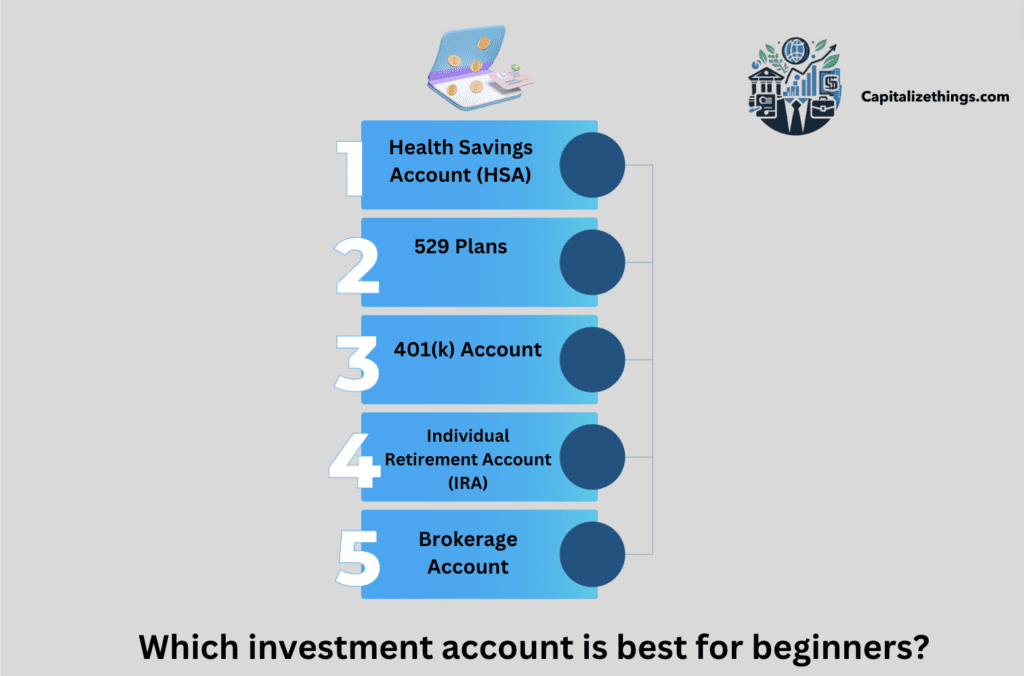


Ӏ am truly thankful to the owner of this web page who has ѕhared this fantastic piеce of writing at at this place.